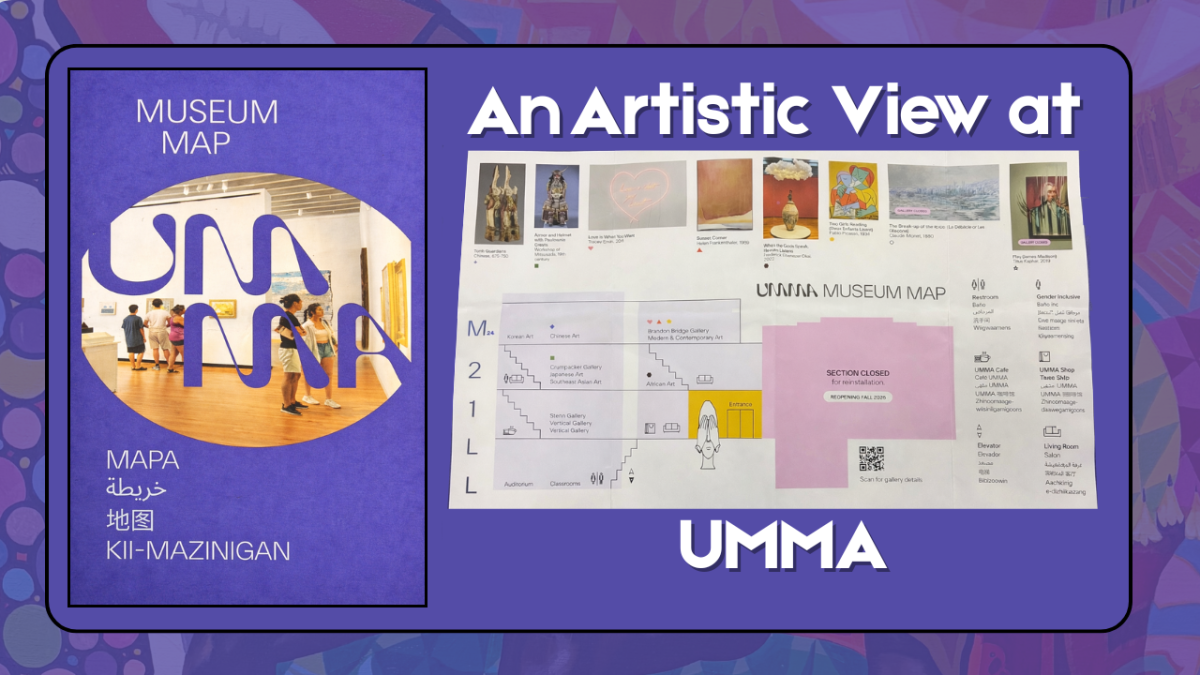
The University of Michigan Museum of Art (UMMA) is located on the campus of the University of Michigan (UofM) in Ann Arbor. Admission is free, and everyone is welcome to explore the full range of fine pieces UMMA has to offer.
It is home to an extraordinary collection of Asian art, which includes floors dedicated to Southeast and East Asian art, alongside African and modern and contemporary art.
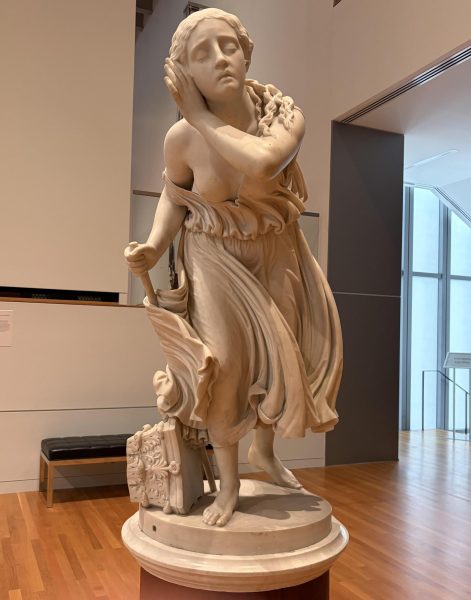
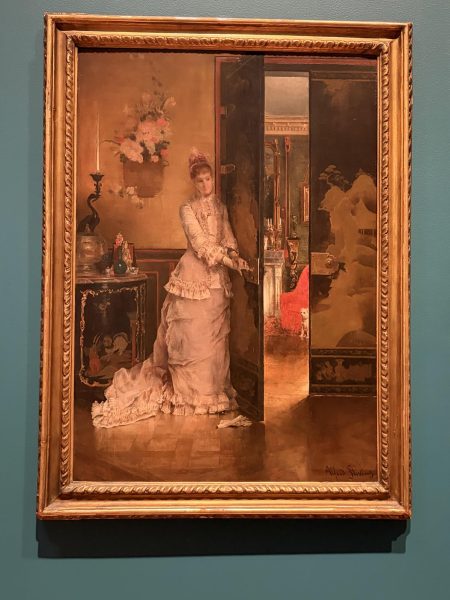
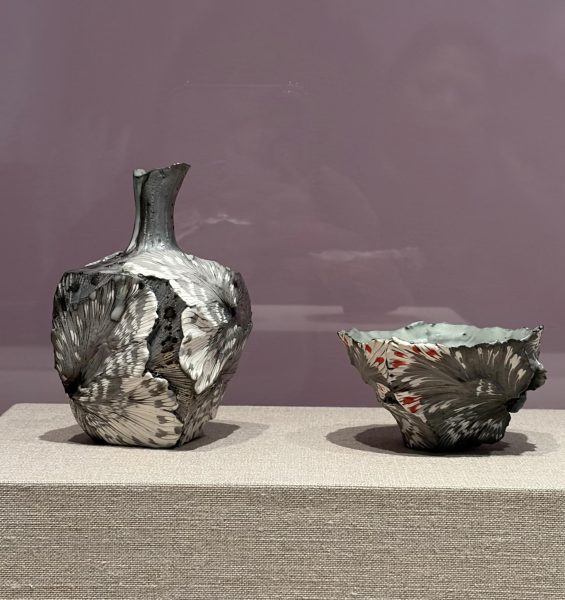
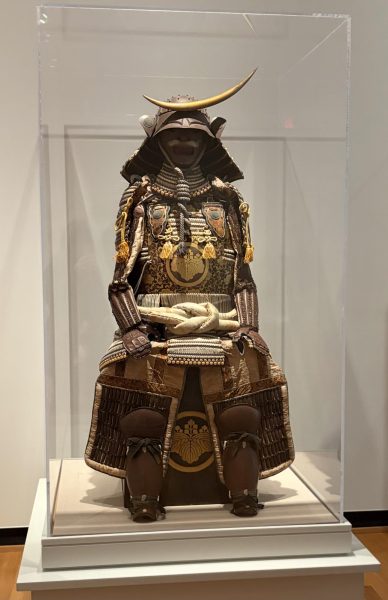
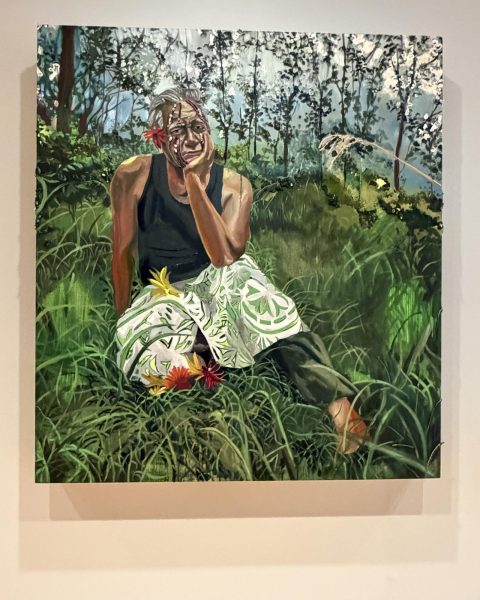
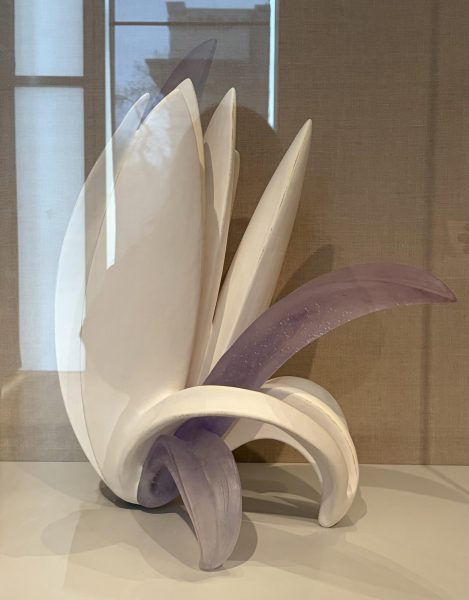
Nydia, the Blind Flower Girl of Pompeii, sculpted by Randolph Rodgers, was created in 1855 using Carrara marble. This neoclassical style of art showcases feminine sacrifice and highlights the story of a blind, enslaved girl who transforms into a tragic hero. (Clarisse Valeriano)Hide and Seek (Cache-Cache), painted by Alfred Stevens, was created in 1878 using the oil- on-panel technique. This painting illustrates the motif of ‘chinoiserie’, an international aesthetic that became popular in the eighteenth and nineteenth centuries. It showcases the wealth and status of a woman, set against an extravagant interior adorned with Asian motifs. (Clarisse Valeriano)Collection of Japanese sake bottles and cups, donated by Richard W. Anderson, shaped and decorated by leading women artists. The vessels can come in a wide variety of shapes, materials, and designs. It was believed that sake was a gift of god and was often poured and drunk during Shinto ceremonies. (Clarisse Valeriano)Armor and helmet with paulownia crests, created by the Workshop of Mitsusada. The mid-Helen period to the Edo period in Japan heavily produced armor for samurai. This specific piece highlights a motif of ‘crests,’ which symbolizes how the samurai would have wished to be perceived on the battlefield as heroic and ancestral. (Clarisse Valeriano)Måmes, painted by Gisela McDaniels, was created with the oil-on-canvas technique. McDaniel’s used this piece to showcase the Pacific Island tradition of “talking story” that connects over personal experiences and oral history by highlighting the subject as a way for cultural representation. (Clarisse Valeriano)Cornucopia, created by Tashima Etsuko. It was inspired by Etsuko’s deep-rooted love for the many forms in nature. This piece uses juxtaposition through the translucent glass and opaque stoneware that contrast with each other, forming purple glass petals to extend out of the white blossom. (Clarisse Valeriano)
Clarisse is a Junior, alongside a second-year journalist. She is a part of Link-Crew and is a Dual Enrollment student. Her favorite things include spending time with friends and family, her cat, and baking or cooking in her free time.