
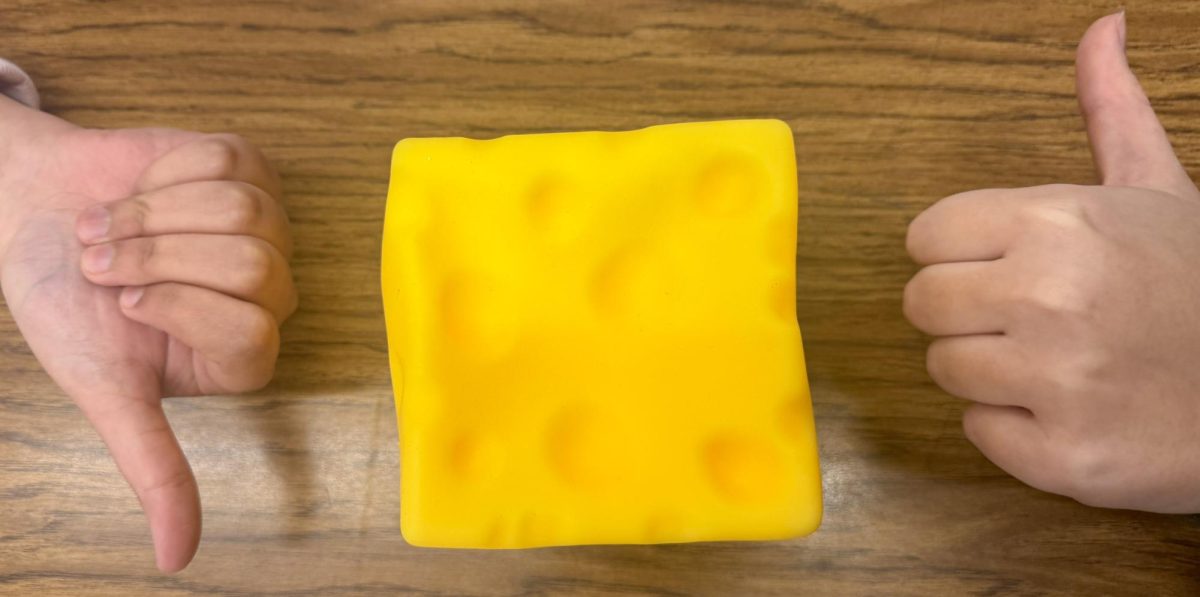
With the sudden rise of popularity in sensory toys, the competition among brands has intensified. More specifically, the infamous squishy brand, NeeDohs. These simple fidgets have consumers wondering whether they are really worth the craze and whether they will stick around or just be another of social media’s hyperfixations.
Kenzey Clark Shining A Light On The Pros
With the large quantity of sensory toys being produced after regaining popularity through social media platforms, it is evident that demand has increased in recent years. Alongside this, supply has also increased. Even on a small scale, this helps stimulate the economy.
The economy benefits most when money is passed from one person to another. Because of this, trends like squishies are overall beneficial because it makes younger people inclined to spend money on these items. This ultimately leads to more money in circulation.
Not only is the economy benefiting, but so is mental health. According to Coryellhealth.org, sensory toys are often used as a form of self-regulation or as a coping mechanism for those with attention-deficit/hyperactivity disorder (ADD/ADHD), Autism, Anxiety, and Obsessive-compulsive disorder (OCD). It has also grown popular among those who just need something to do with their hands.
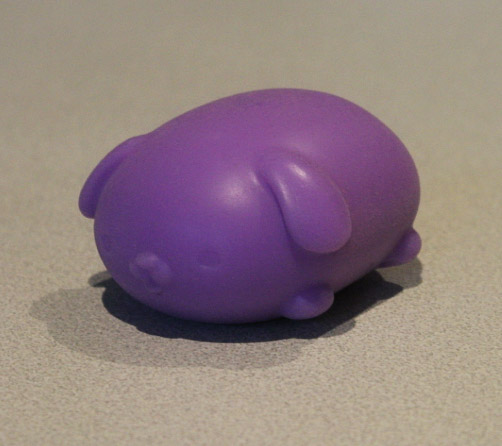
Northwest High School (NWHS) Spanish teacher Kathryn Balluff has many thoughts on squishies in the classroom.
“Their impact on learning seems positive because it makes kids happy and more comfortable,” said Balluff.
The first major breakout of sensory toys occurred in April 2017, when fidget spinners became a cultural phenomenon due to a surge in marketing and social media trends. However, not all trends are safe.
Many people feel squishies are not safe due to the microwaving Needoh trend. However, this is not a safety hazard because of the squishies, but rather due to unsafe trends. Most packages have a label stating what ages the product is suitable for, so parents are aware of what is safe or not for their child. Social media is the true reason behind this issue.
Khushmit Kaur Raises Concern With The Cons
The famous sensory toy brand, NeeDoh, has produced and sold over 100 million units of squishies since the beginning of 2026; this number is vast compared to what a small, at-home business produces and sells. This leaves little to no room for other brands to grow unless they gain a wave of popularity on a social media platform, just like brands such as NeeDoh and Squishy Buns have received. As a result, the majority of the money spent on squishies goes to big corporations instead of small businesses that have few income sources, since big companies receive more attention.
These sensory toys have caused a distraction, more commonly in public settings like classrooms and offices. Teachers across platforms like Reddit have reported that students have been paying less attention to the lessons being taught, and more so to the sensory toys. Students on TikTok, like @hungry4_needohs, have made numerous short-form videos on how they have to keep their squishies at home because of teachers restricting them from entering the classroom. Some sensory toys, especially the softer ones, pop easier than the harder ones and make a sticky, hard-to-clean mess in the classroom.
Health concerns have increased since TikTok influencers have promoted the trend of microwaving squishies, especially the NeeDoh Nice Cube, because of its stiff, tar-like substance. Creators began pushing the idea of microwaving these sensory toys to soften the substance inside. Children, curious about how to achieve a soft, squishy texture, put them in the microwave, causing the substance inside to heat up rapidly and explode when squished. This causes severe burns and injuries.
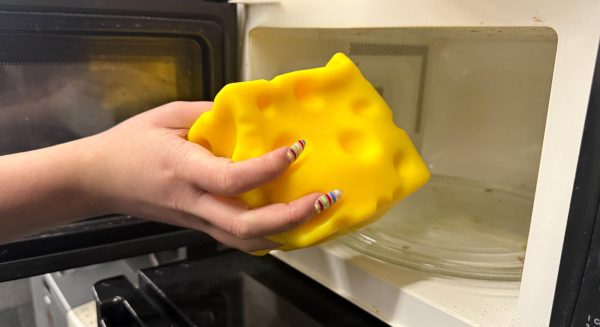
A nine-year-old boy in Chicago named Caleb Chabolla suffered third-degree burns and an ambulance visit after participating in this trend. Chabolla had stated he was “influenced by his friends,” who had engaged in this social media trend and convinced him to partake in the seemingly innocent trend with them. Loyola University Medical Center in Illinois has come out and stated that this was not the first case they have seen, and that this was actually their fourth case since the beginning of 2026.
Overall, it is clear that sensory toys have made a huge comeback after their trend fallout in late 2018. Starting with fidget spinners in early 2017, and now Needohs in 2026, teenagers on social media have taken an interest in them, whether it’s due to their calming benefits or simply because they are fun to play with. Whether this is worth the craze or not is up to each person as an individual. The question remains: is the fidget trend around to stay this time, or is it just another one of social media’s crazy hyperfixations?