

Hantaviruses, a rare but extremely dangerous group of viruses, spread through direct contact with infected rodents’ bodily fluids, such as urine, feces, and saliva. People become infected when these bodily fluids are aerosolized and inhaled. According to the Centers for Disease Control and Prevention (CDC), most hantaviruses are not commonly spread from person to person, although certain cases, such as the Andes Hantavirus found in South America, have shown limited human interaction.
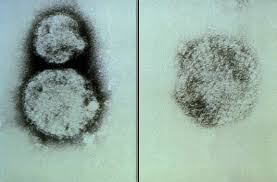
The virus progresses into a severe illness known as Hantavirus Pulmonary Syndrome (HPS), which attacks the lungs and can easily become fatal. Early symptoms of the virus resembles the flu; headaches, fever, muscle aches, nausea, and fatigue. As the disease progresses, people may experience chest tightness, coughing, and difficulty breathing as fluid fills the lungs. Health experts report that nearly 38 percent of people who contract respiratory symptoms from HPS may die from the illness.
On April 1, the expedition MV Hondius cruise ship departed from Ushuaia, Argentina, carrying 147 passengers bound for the Canary Islands. During the journey, several passengers reportedly began experiencing respiratory symptoms. By May 2, health officials notified the World Health Organization (WHO) after multiple cases appeared on the ship. Investigators later connected the illnesses to the Hantavirus outbreak.
As the outbreak worsened, WHO confirms several cases of Andes Hantavirus among passengers. Reports state that at least three people died, while others remain in critical condition. Passengers from more than a dozen countries had already disembarked from the ship before the virus was fully identified, causing international concern among health agencies and residents.
The CDC began monitoring exposed travelers in several U.S. states, including Georgia, Arizona, Florida, and California. Some passengers were placed under medical observation or quarantine as a precautionary measure. Health experts are especially concerned because the Andes strain of the Hantavirus is one of the only known forms capable of limited human-to-human spread. While the virus is far less contagious than diseases like COVID-19, this outbreak highlights how quickly infections can spread and become dangerous in crowded environments with abundant human interaction.
Another concern about this virus is its incubation period. Symptoms most commonly appear one to eight weeks after being exposed to the virus, meaning infected people can go weeks unknowingly traveling with the disease before becoming sick. This delay in symptoms makes the virus increasingly difficult to track and contain. There is no specific cure for this virus, so doctors focus mainly on comfort and supportive care for the patient. Medical organizations continue to encourage avoiding contact with rodents and thoroughly sanitizing areas where rodents may be. The CDC recommends using gloves, disinfectants, and masks when cleaning contaminated areas and bodily fluids left behind by rodents.
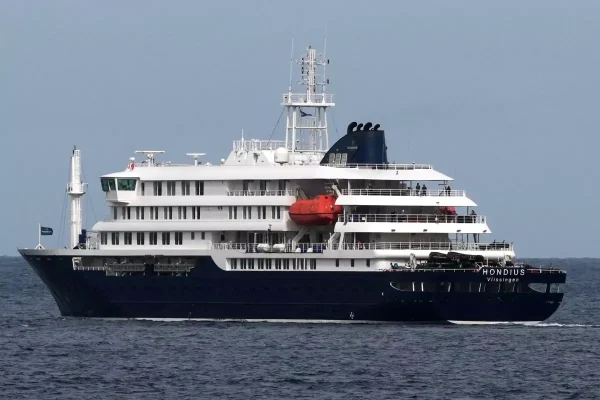
The outbreak on the MV Hondius also raised questions about how prepared the world is to respond to infectious diseases such as the Hantavirus, spreading through international travel services. Public health organizations stress that fast reporting, medical surveillance, and international cooperation are essential to preventing future outbreaks from progressing to worldwide emergencies.