
“Let go and move on.” This is one universal sentence that most everyone has been told, at least at one point or another. However, it is also one of the most negatively consequential things to say because of its potential to do irreparable harm to the mind.
To move forward and let go of nostalgia requires being stripped of the lore that makes somebody the person that they are. Nostalgia shapes every life, in some ways better than others.
Nostalgia is not a cognitive feature of the mind that begs to be pushed away; it’s an ever-developing story of what has been accomplished, where people have been, and who they are.
People do not benefit from pushing aside and suppressing their yearnings; they benefit from understanding how to carry them forward and using them to achieve greater success.

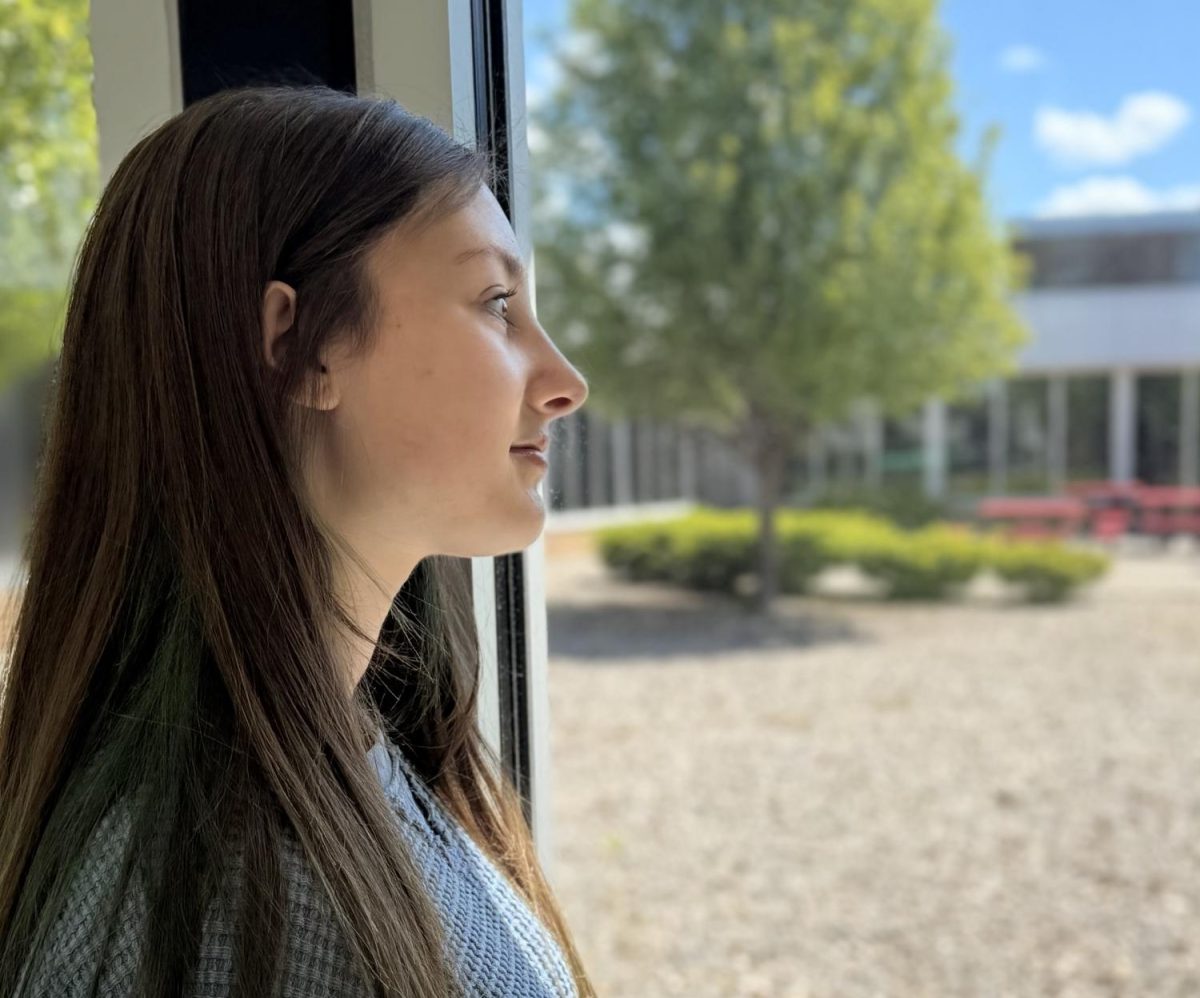
“Nostalgia shapes my actions day-to-day in a positive way almost because if I remember something from a memory that I remember as not being really good, and I come across the same situation again, I can handle it a bit differently than I once did,” said freshman Isabelle (Izzy) Banks.
Although two things can be true at once. The effect of nostalgia can cause individuals to become desensitized to what is widely considered a negative experience. The COVID-19 pandemic, for example, 67 percent of people aged 16 to 34 report missing some aspects of lockdown, per IPSOS, a public opinion research company. The reason as to what is missed is subjective for each person.
However, using available information and data, it can be ascertained that over seven point one million people unfortunately lost their lives, with the United States being the country impacted the hardest, per the World Health Organization (WHO).
So, what causes people to have illusory views? According to the National Institutes of Health, the brain actively works to suppress the retrieval of unwanted memories.
Pair that with many people being in their most formative years, and then suddenly, there is an overwhelming amount of distorted accounts of what happened. This is not by choice because the brain is actually designed to do such things.
Everyone feels nostalgia in unique ways, and what triggers the feeling differs from person to person. “I don’t as much think about nostalgia, but I feel nostalgia. I have really strong feelings of happiness if I remember something happy, and I get giddy,” said Banks.
In the end, nostalgia is not something that is meant to be overcome; it is an opportunity to become a better person and to achieve any goal, regardless of what they pertain to. Nostalgia should be held onto, not dismissed.